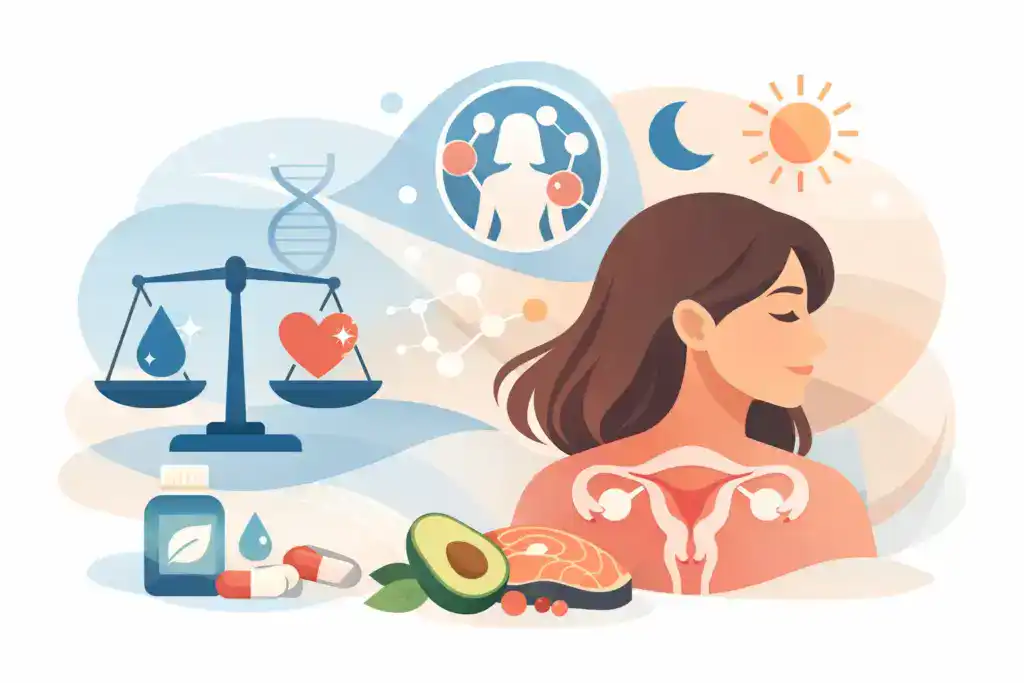
A woman in her late 30s may call it burnout. In her 40s, she may assume it is stress. By her 50s, she may wonder whether she simply has to live with poor sleep, weight changes, brain fog, low libido, or a shorter temper than usual. Often, these complaints are grouped together and pushed aside. Yet hormone optimization for women begins by taking those changes seriously and evaluating them in context – not as isolated annoyances, but as signals that deserve a thoughtful medical assessment.
At a physician-led clinic, the goal is not to chase trends or promise dramatic transformation. It is to understand what has changed, why it may be happening, and which interventions are appropriate for your health, stage of life, and long-term goals. Done well, hormone care is measured, evidence-based, and highly personalized.
What hormone optimization for women actually means
Hormone optimization for women is not a single treatment, protocol, or lab number. It is a clinical process that looks at symptoms, medical history, lifestyle factors, and lab findings together. The purpose is to help restore balance where possible and improve how a patient feels and functions, while keeping safety at the center.
That distinction matters. Hormones influence energy, sleep quality, mood stability, body composition, mental clarity, skin health, and sexual wellness. But they do not act independently. Thyroid function, insulin resistance, stress response, perimenopause, menopause, medications, alcohol intake, sleep debt, and nutritional deficiencies can all shape the same symptom picture.
This is why a refined approach is so important. Treating every complaint as a hormone problem can be just as limiting as ignoring hormones altogether. Good care avoids both extremes.
Why symptoms are often missed or misread
Many women are accustomed to functioning at a high level even when they feel off. They continue to manage careers, families, workouts, and social obligations while quietly noticing that recovery is slower, weight is harder to manage, motivation feels flatter, or sleep has become fragmented.
The challenge is that hormonal changes rarely arrive in a tidy sequence. Perimenopause, for example, can start years before periods stop completely. Symptoms may fluctuate month to month. Some women notice anxiety or irritability before they ever experience hot flashes. Others struggle first with abdominal weight gain, reduced muscle tone, or waking at 3 a.m. with no clear reason.
Because these patterns can overlap with stress, aging, or thyroid dysfunction, self-diagnosis is often unreliable. A careful evaluation helps separate what is likely hormonal from what may have another driver.
The hormones most commonly involved
Estrogen and progesterone are central to many conversations about female hormone health, especially during perimenopause and menopause. Shifts in these hormones can affect cycles, sleep, mood, vaginal health, and temperature regulation. But they are only part of the picture.
Testosterone also plays a role in women, particularly in sexual desire, motivation, strength, and overall vitality. Thyroid hormones influence metabolism, energy, and mental clarity. Cortisol affects stress response and sleep patterns, while insulin regulation can shape cravings, fat storage, and energy fluctuations.
What matters clinically is not treating hormones as a trend topic, but understanding how these systems interact in a specific patient. Two women with similar complaints may need very different treatment plans.
How evaluation should work
A credible hormone assessment begins with a detailed conversation. Symptom timing, menstrual history, sleep habits, weight changes, medication use, pregnancy history, stress load, and personal or family health risks all matter. This step is often more informative than patients expect.
Laboratory testing can be helpful, but it needs interpretation. Hormone levels naturally fluctuate, especially before menopause. A lab value without clinical context can be misleading. The most useful approach pairs testing with symptom patterns and a broader medical review rather than treating a single result as the answer.
In some cases, additional factors need attention before hormone therapy is considered. Poor sleep, high alcohol intake, untreated thyroid disease, insulin resistance, nutrient deficiencies, and unmanaged stress can all amplify symptoms. Addressing those drivers may improve outcomes and, in some cases, reduce the need for more aggressive intervention.
Treatment is not one-size-fits-all
When women hear the phrase hormone optimization, they sometimes imagine a standard package. In reality, treatment should be customized and conservative. The right plan depends on age, reproductive stage, symptom burden, medical history, and risk profile.
For some patients, lifestyle changes make a meaningful difference. Strength training, protein intake, sleep improvement, and better blood sugar control can support body composition, mood, and energy. These strategies are not glamorous, but they are foundational. They also make medical treatment more effective when it is indicated.
For others, prescription hormone therapy may be appropriate. This can include estrogen and progesterone support for menopausal symptoms, and in selected cases, testosterone therapy under close medical supervision. The key is proper screening, dosing, and follow-up. More is not better. The objective is symptom improvement and physiologic balance, not pushing hormone levels to an artificial target.
Some women are surprised to learn that treatment plans may evolve over time. A plan that works during early perimenopause may need adjustment later. A patient focused initially on sleep disruption may later prioritize body composition, cognitive clarity, or sexual wellness. Good care leaves room for that evolution.
Benefits, limitations, and trade-offs
When hormone imbalances are contributing to symptoms, appropriate treatment can improve sleep, reduce hot flashes, support mood, enhance libido, and make weight management feel less frustrating. Patients often describe a return to feeling more like themselves rather than a dramatic shift into someone new.
That said, hormone therapy is not a cure-all. It will not replace disciplined nutrition, regular movement, stress management, or realistic expectations around aging. It also carries considerations that should be reviewed carefully, including personal and family history of blood clots, certain cancers, migraines, cardiovascular risk, and other health factors.
This is where physician oversight matters. Evidence-based medicine is not about saying yes to every request. It is about making precise recommendations, explaining where treatment may help, and being equally clear about when it may not be the right fit.
The connection between hormones, appearance, and overall vitality
For many women, hormone health is not only about symptom relief. It also influences how they look and how they carry themselves. Declining estrogen, sleep disruption, and metabolic shifts can affect skin hydration, elasticity, facial volume, and body composition. When a patient feels depleted internally, it often shows externally.
That does not mean every aesthetic concern should be treated as a hormone issue. It does mean that wellness and appearance are often connected. A thoughtful care model recognizes that women frequently want both – to feel better and to look refreshed in a way that still feels natural.
This is one reason physician-led clinics with a broader view of wellness can offer a more cohesive experience. At Leo & Lucy Medical Aesthetics, care is grounded in personalization, medical oversight, and a restrained approach that prioritizes balance over excess. That philosophy is just as relevant in hormone support as it is in aesthetic treatment.
What to expect from a high-quality consultation
A strong consultation should leave you feeling informed, not pressured. You should understand which symptoms are most clinically significant, what testing is useful, what treatment options exist, and what the realistic timeline for improvement may be.
You should also expect nuance. Some women benefit quickly from targeted changes. Others need a phased plan that addresses sleep, nutrition, metabolic health, and hormones together. If your clinician speaks in absolutes or promises immediate transformation, that is usually a sign to look more carefully.
The best care is deliberate. It accounts for your biology, your goals, and the fact that feeling well is not a luxury. It is part of how you show up in your life, your work, and your relationships.
If you have been feeling unlike yourself and attributing it to stress, age, or lack of discipline, it may be time to look more closely. Hormonal changes are common, but they should not be dismissed. With the right evaluation and a personalized plan, support can be both medically sound and meaningfully effective.